Izuru Narushima, director and screenwriter behind Rebirth, dies at 65
Director and screenwriter Izuru Narushima has died aged 65, leaving a wide-ranging body of work across Japanese cinema and anime.
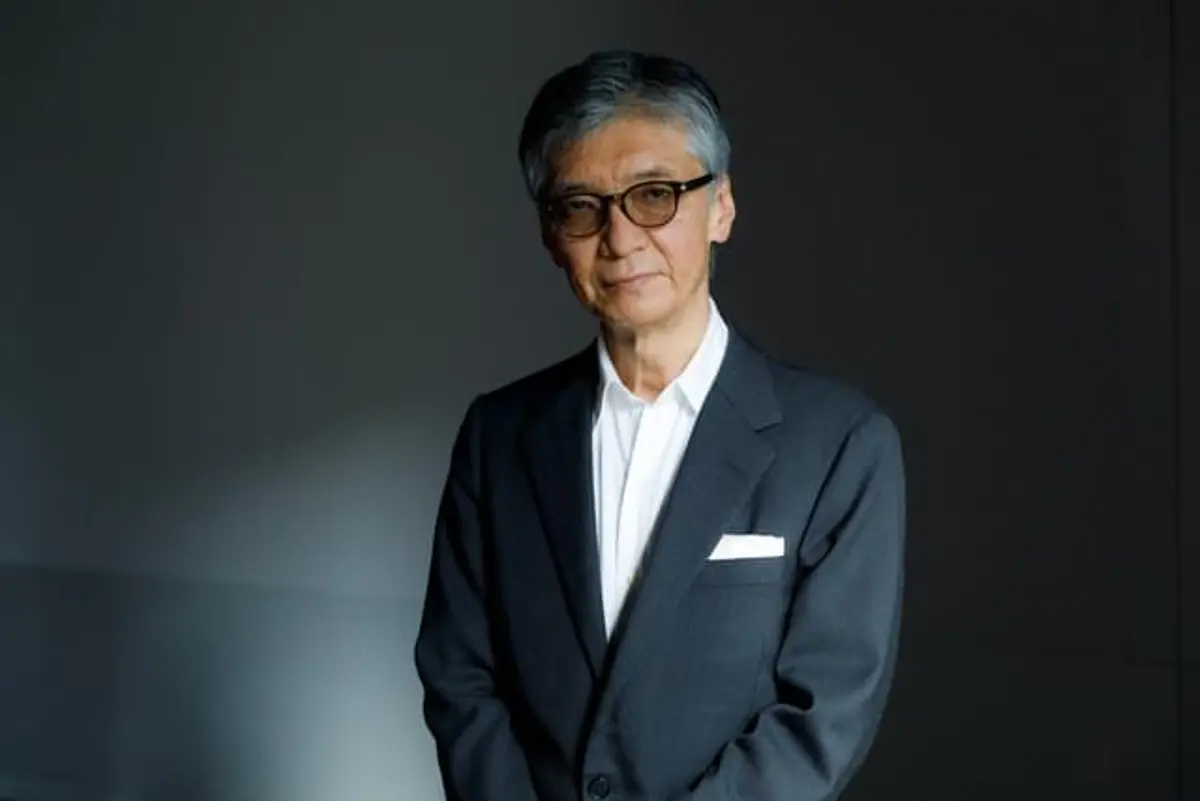
A career built on people, not noise
Narushima was born in 1961 in Yamanashi Prefecture and began working as a screenwriter in 1994 before making his directing debut with Yudan Taitei (A Stern Warning) in 2004.1 Jiji Press likewise reported the 2004 debut and identified him as a native of Kofu, while noting that his funeral had already been held privately.2 He developed a reputation for emotionally attentive drama rather than flashy filmmaking: stories about ordinary people forced to confront impossible choices.3
His defining breakthrough was Yōkame no Semi (Rebirth) in 2011.1 The film won 10 prizes at the 35th Japan Academy Prizes, including Best Picture and Best Director.1 The Academy’s own tribute also records Narushima’s Best Director win for Rebirth, along with recognition for the screenwriting of Climbers High and directing honours for The Lone Scalpel, Cape Nostalgia and The Last Station of Life.5
Narushima’s credits stretched well beyond that landmark. As a screenwriter, he worked on T.R.Y. (2002), Japan Sinks and Climbers High (2008), among other films.23 His directing filmography included Fly, Daddy, Fly (2005), Midnight Eagle (2007), The Lone Scalpel (2010), Solomon’s Perjury (2015), I’m Going to Quit My Job (2017), Goodbye: Life Begins with a Lie (2019) and The Last Station of Life (2021).1
For anime fans, Narushima wrote the screenplay for the 2000 film The Boy Who Saw the Wind.1 He also directed Father of the Galactic Railroad (2023), a live-action film about Night on the Galactic Road author Kenji Miyazawa.1 That range matters: Narushima was not an anime specialist who briefly wandered into cinema, or a live-action director borrowing animation’s sheen.1 He was a screen storyteller who followed the material wherever it led.
Our opinion
Narushima’s legacy is strongest in the care he brought to difficult lives. Rebirth may be the headline achievement, but the larger body of work shows a creator who treated popular cinema as a place for empathy, moral knots and bruised resilience. His death closes a substantial chapter in Japanese film, while leaving audiences a catalogue that still asks the right questions—and refuses easy answers.