Slap Shot Girls hits the ice on Shonen Jump+
Shueisha's digital platform has launched a hockey manga from Alpa, and its heroine arrives at the rink with nothing left to lose.
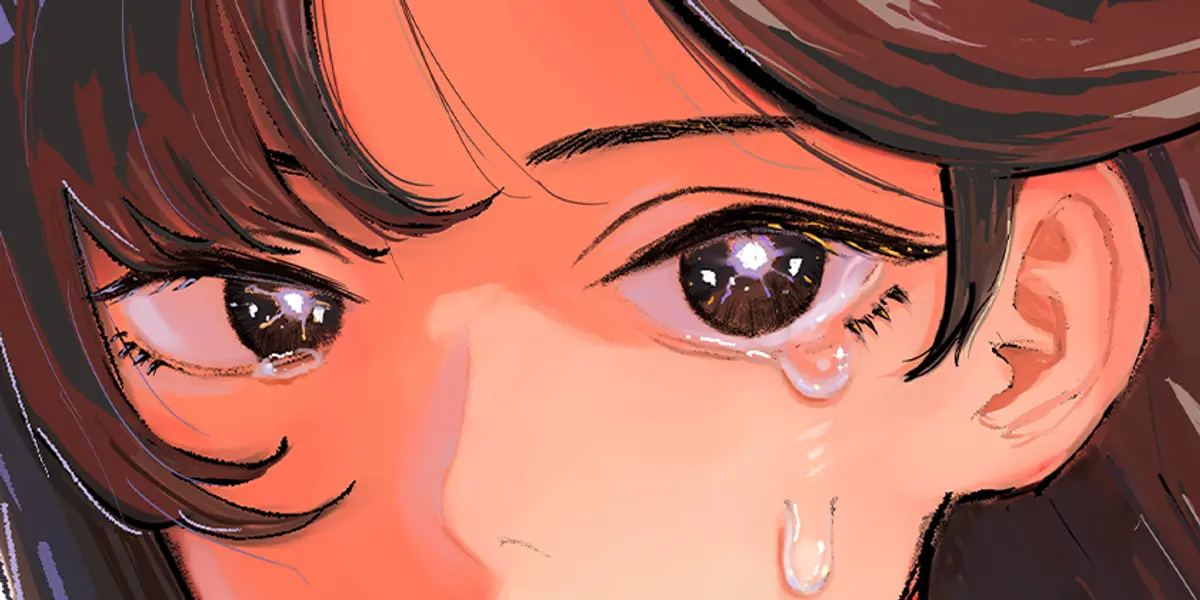
Shueisha's Shonen Jump+ platform has launched Slap Shot Girls, a new hockey manga from Alpa, with fresh chapters scheduled to arrive every Tuesday.
The series opens with Kurumi Kobashiri, who moves to Hokkaido after finishing middle school because of her parents' circumstances. When she tells her boyfriend that a long-distance relationship is coming, he ends things instead. Adrift and heartbroken, she wanders into a skating rink, where she meets a striking stranger and, rather more consequentially, ice hockey.
A rare rink in a crowded line-up
Hockey is thin ground for manga. Basketball, football, volleyball and baseball all have decades of flagship series behind them, while ice hockey has almost never carried a long-running title. That leaves Slap Shot Girls with a lane largely to itself, and a heroine whose first problem is not the sport at all but the wreckage she is carrying into it.
Shonen Jump+ is a sensible place to test that bet. The platform runs digital-first, serialises a far wider spread of genres than the print magazine, and gives a new title a fixed weekly slot rather than a fight for space. For a series built on a cold, fast, unfamiliar sport, that weekly rhythm is the whole point.
Our opinion
Sports manga does not actually need a popular sport, it needs a reason for a character to keep turning up to a cold building when they could be anywhere else. Kurumi arrives at the rink with nothing left to lose, which is the oldest and most reliable engine the genre has, and the fact that hockey is unfamiliar to most readers means every rule has to be taught on the page. That is a strength, not a handicap: it forces the manga to explain why anyone would love this, instead of assuming the audience already does.
The risk is the opposite one. Novice protagonists who arrive broken are a well-worn route, and a hockey manga stands or falls on whether the matches feel worth the tears. Alpa has one chapter in the wild and a Tuesday slot to prove it. We would rather watch a publisher spend that slot on a sport nobody else is drawing than on another variation of something already on the shelf, and that is exactly what this is.