Manchuria Opium Squad manga is getting an anime adaptation
Kodansha's Weekly Young Magazine has announced a television anime for Manchuria Opium Squad, in the same issue that the manga resumed serialisation with a new artist.
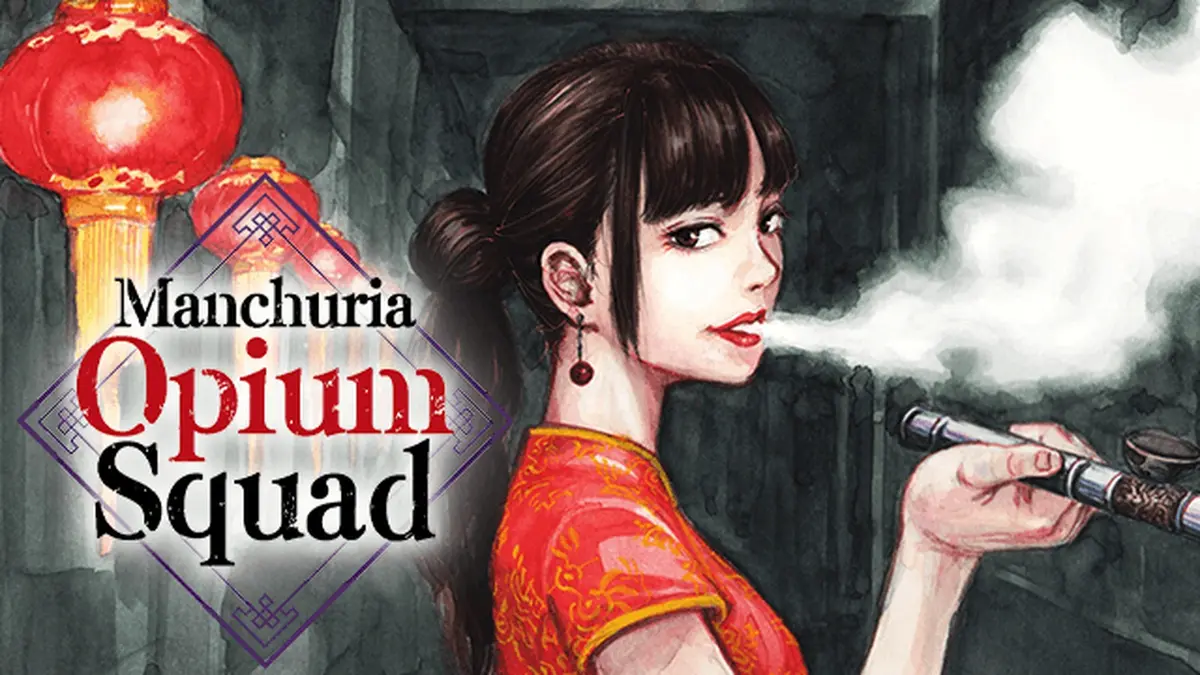
The Manchuria Opium Squad manga is being adapted for television. This year's 45th issue of Kodansha's Weekly Young Magazine carried the announcement, confirming an anime of the series written by Tsukasa Monma and drawn, until their death, by Shikako.
The news lands in the same issue in which the manga returned to serialisation with a new artist, Tsurushima, who had previously worked as Shikako's assistant on Yasuhisa Hara's Kingdom.
A series that has just found its feet again
Shikako died in December 2025 aged 37, and the manga was on hiatus until it resumed on Monday with two chapters. Chapter 216, planned at 16 pages, ran to 12: Shikako completed 11 before they died, Monma arranged a twelfth page that features no characters, and assistants drew the background.
From chapter 217 onward the artwork passes to Tsurushima, a handover the magazine frames as a new start for the series as much as for the story.
What the manga is about
Kodansha publishes Manchuria Opium Squad in English through its K MANGA service. The series opens in 1937 in Manchukuo, the Japanese-controlled puppet state in north-east China, where a soldier named Isamu Higata is posted to an agricultural facility after losing the sight in one eye. There he finds a field of poppies and, needing money for his gravely ill mother, begins producing opium.
“Here in Manchuria, the cheapest thing you’ll find is a person’s life,” runs Kodansha’s own description of the series, which has built its reputation on that grim, transactional premise.
No studio, broadcast window or cast has been attached to the adaptation yet, and the reveal arrives as producers continue to mine Kodansha's seinen magazines – Weekly Young Magazine among them – for series with an established readership.
Our opinion
An anime of Manchuria Opium Squad is a bolder commission than the premise-first announcements that usually fill this slot. The manga asks its audience to sit with a protagonist who funds his mother's care by manufacturing an addictive drug, and a faithful adaptation will be uncomfortable rather than escapist. The real test will be the studio: Tsurushima's art is carrying the series on paper, and whoever animates it has to match that same grim, humid mood rather than flatten it into a period action show.