Marvel and KADOKAWA launch original Spider-Man manga
KADOKAWA's new Marvel imprint puts a Shibuya schoolboy behind the mask and hands Gwen Stacy a drum kit.
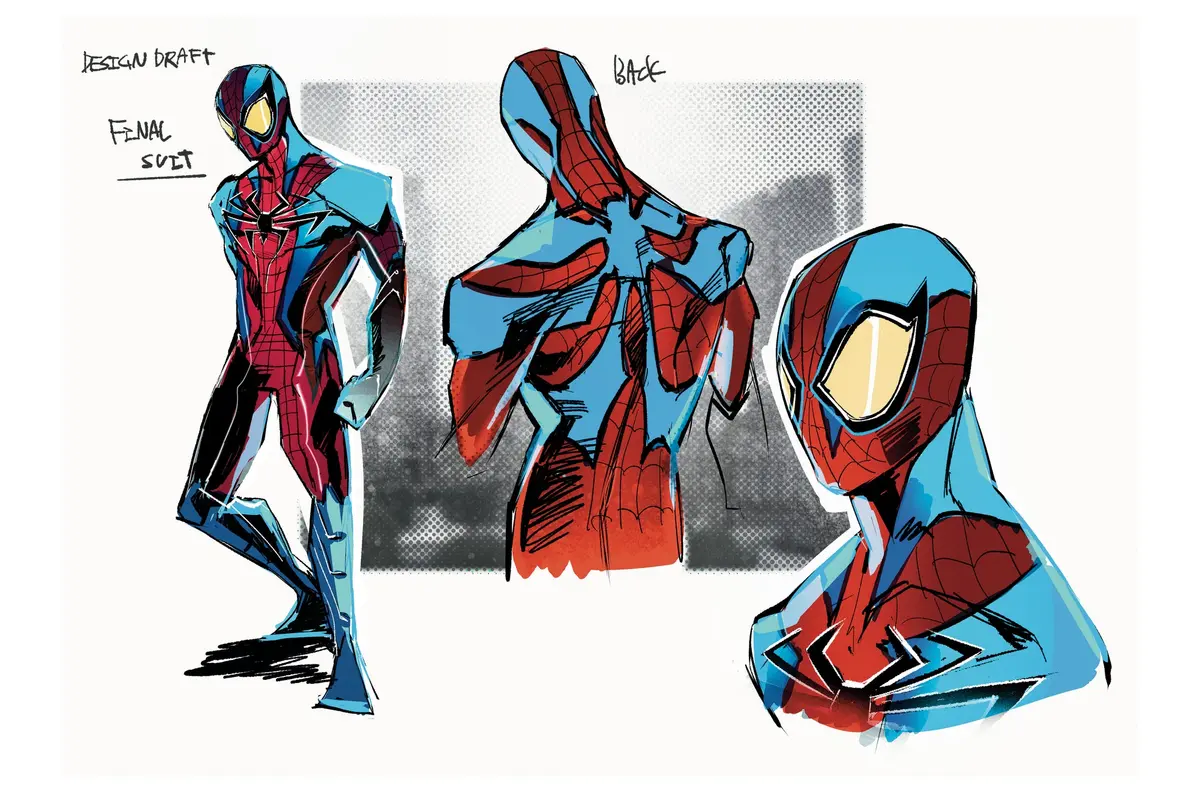
KADOKAWA has launched MARVEL|KADOKAWA, a joint project with Marvel Comics that will produce original manga rather than translations of existing American comics. The publisher says the first wave will run to five titles, with Spider-Man and Spider-Gwen leading the line-up.
The project was announced on 25 July at the MARVEL FANFARE panel at San Diego Comic-Con 2026. Marvel Comics' new editor-in-chief Stephen Wacker and KADOKAWA's project lead Kenta Matsui were joined on stage by C.B. Cebulski, the former editor-in-chief who now heads Marvel's editorial operation in Asia. Cebulski will be based in Tokyo as the two companies widen a relationship that has so far centred on Japanese editions of Marvel art books.
A Shibuya Spider-Man and a drummer called Gwen
Spider-Man is drawn by tokitokoro, best known for Jeff the Land Shark. The lead is Hachidori Haruto, a high schooler living in Shibuya who suddenly gains a spider ability and swings across the district, unaware that something hidden in the city starts moving with him. The design work released with the announcement shows a hooded first costume and a finished red and blue suit.
Spider-Gwen is drawn by Ryusei Yamada, who illustrated Captain Marvel for the MARVEL SWIMSUIT SPECIAL. This Gwen Stacy is an ordinary student and the drummer in a band called Mary Janes until a bite from a laboratory spider changes what she is capable of, putting her on a path to Spider-Woman and a set of choices she never asked for.
Both series begin serialisation on KadoComi, KADOKAWA's free manga portal, during 2026, with printed volumes planned afterwards. Design sheets released alongside the announcement also lay out a Punisher costume, which suggests the remaining three titles are further along than the publisher is saying.
Our opinion
Marvel has spent more than a decade trying to sell American comics into Japan and mostly ended up translating them. Handing Spider-Man to a Japanese publisher, and letting him be a Japanese schoolboy in Shibuya, is the better bet, because it treats manga as the native language instead of the export market. The familiar risk is committee-by-franchise: two brand teams, one approvals chain, and a hero who ends up pleasing both houses and thrilling neither. Watch the Gwen book, where the drum kit is the whole point.