Rascal Does Not Dream of a Dear Friend shows its opening and finale art
Aniplex has published the opening minutes of the Rascal Does Not Dream of a Dear Friend film alongside a finale visual drawn by the series illustrator, ahead of its 16 October opening in Japan.
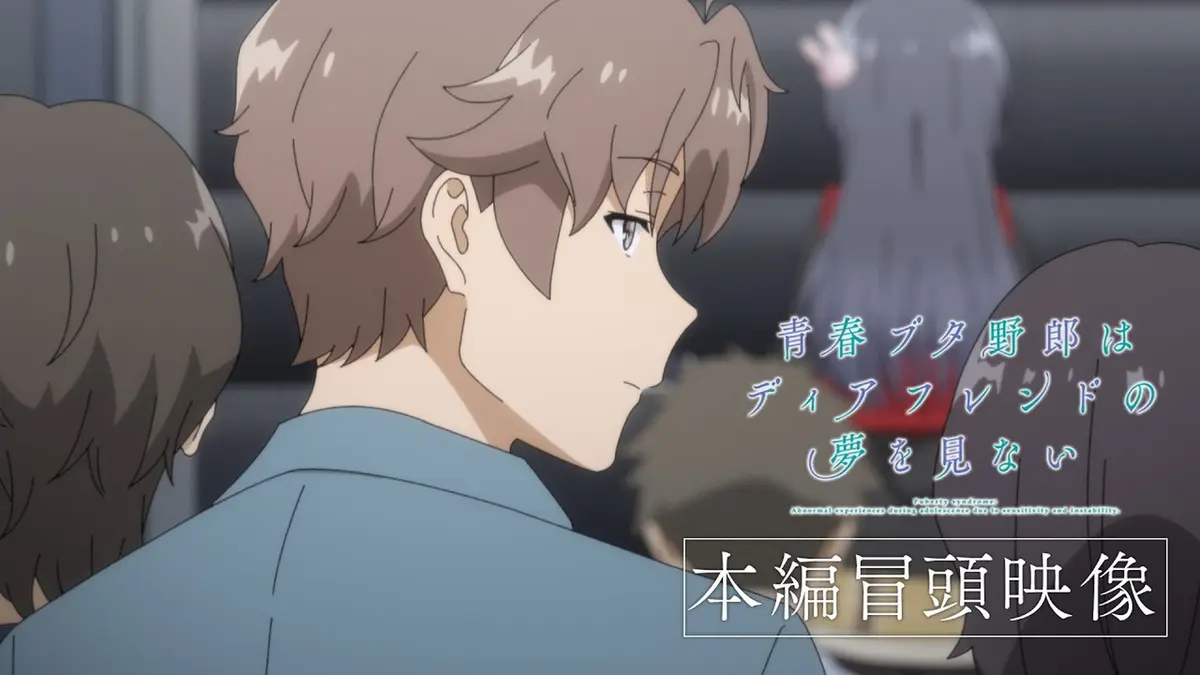
Aniplex has opened the final stretch of marketing for the Rascal Does Not Dream of a Dear Friend film, publishing roughly three minutes of the film's opening alongside a new finale visual.
Opening footage and a finale visual
The opening-footage clip runs about three minutes and sits on Aniplex's YouTube channel. The finale visual is a fresh piece by Kēji Mizoguchi, who draws the original illustrations for Hajime Kamoshida's Rascal Does Not Dream light novels.
Theatre goods and stage greetings
The film opens in Japanese cinemas on 16 October, and theatre merchandise goes on sale at cinemas from the same day. The line-up runs from rubber and metal charms, a diary-style notebook and a reversible phone tab-and-neck-strap set to acrylic stands and charms, can badges based on the finale visual, an eco bag with a plush pouch, clear files and deluxe and standard programmes.
Public stage greetings are set for 18 October at 109 Cinemas Shonan and Shinjuku Wald 9, and for 25 October at T-Joy Umeda and Midland Square Cinema. Kaito Ishikawa, Asami Seto, Manaka Iwami and Inori Minase are scheduled to appear at the first date.
Our opinion
A finale visual is a strange thing to commission, because it asks a single still image to hold a story that has already been told. What is worth watching here is the pairing. The opening footage is the film showing its hand early — three minutes of finished animation offered as proof rather than tease — while the finale visual does the opposite, saying nothing about the plot and everything about the mood the film wants to leave you in. Running both at once is the confident move for a studio that expects the film to be argued about on the way out of the cinema.